
Brakes spend most of their lives being ignored, right up until something feels wrong. Pads wear, rotors take punishment, and brake fluid requires attention as the miles accumulate. Routine brake service gives technicians a chance to spot that wear before it becomes a larger repair or changes how the vehicle responds when you press the pedal. For Macomb drivers, keeping brake inspections in the regular service routine is basic maintenance with a very practical payoff: predictable stopping performance.
A Brake Inspection Is More Than Looking at the Pads
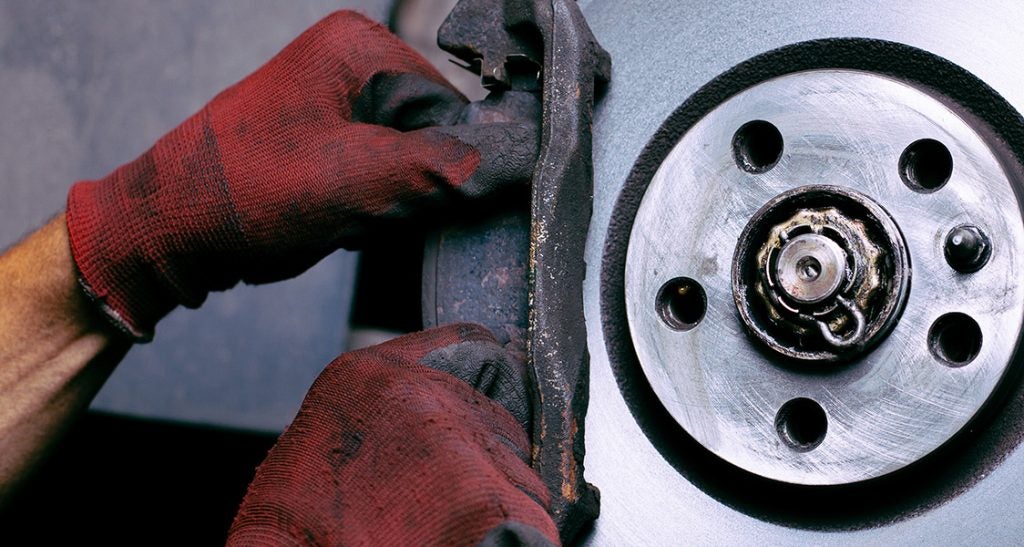
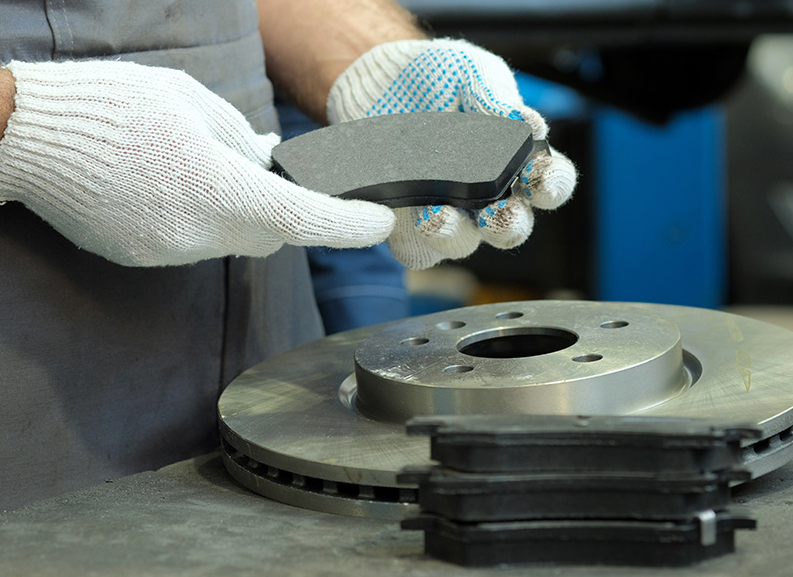
Brake pads are obvious wear items, but they aren't the entire braking system. During routine Ford brake service, technicians can check pad condition and inspect the rotors for cracking, rough surfaces, warping, and other signs of wear or damage. Other braking components can be inspected as appropriate, with brake fluid checked according to the maintenance requirements for the vehicle. Catching a worn component during an inspection can prevent it from affecting other parts of the system. Your Ford's Owner's Manual remains the proper reference for its specific maintenance requirements, but regular inspections provide a useful picture of how the brakes are worn between scheduled services.
Your Ford Will Often Tell You Something Is Wrong
Brake problems aren't always subtle. Persistent squealing or grinding during braking deserves attention, as does a pedal that suddenly feels soft or spongy. Vibration or shudder felt through the steering wheel during braking can also indicate that something in the system needs inspection. Then there is the least ambiguous warning: the brake warning light. Ford recommends having the brakes inspected immediately when that light illuminates. Changes in pedal feel, sound, or braking behavior shouldn't be treated as something to simply watch for another few thousand miles. A brake inspection can determine what is causing the symptom and what service, if any, is required.
Brake Wear Doesn't Follow One Universal Schedule
There isn't a single mileage figure that accurately describes brake life for every Ford. Driving habits, vehicle type, road conditions, and the amount of stopping involved all affect how quickly components wear. Repeated stops in traffic can be considerably harder on brakes than long stretches of steady-speed driving. Ford recommends checking the brakes during maintenance visits and following the intervals specified in the vehicle's Owner's Manual. For drivers around Macomb who regularly move between town traffic and longer stretches of open road, including brake checks with scheduled maintenance is a sensible way to keep track of wear instead of trying to predict component life from mileage alone.
Why Ford-Trained Technicians Make Sense
There is value in having someone familiar with the vehicle inspect a system as important as its brakes. Ford-trained technicians work with Ford vehicles and their specific components, while genuine Ford parts are designed and engineered for their intended applications. Some participating dealers also offer Ford Mobile Service, which can bring select maintenance and brake services to an eligible location instead of requiring every visit to begin in a service lane.
Don't Wait for the Grinding Noise
Regular checks, appropriate pad replacement, and brake-fluid maintenance based on Ford's recommendations help keep the system operating as designed and can identify wear before it leads to additional repairs. If your Ford has developed an unusual braking sound, vibration, warning light, or change in pedal feel—or its brakes simply haven't been inspected recently—the service team at Woodrum Auto can take a closer look. Macomb-area drivers can explore available service options and schedule Ford brake service online.